
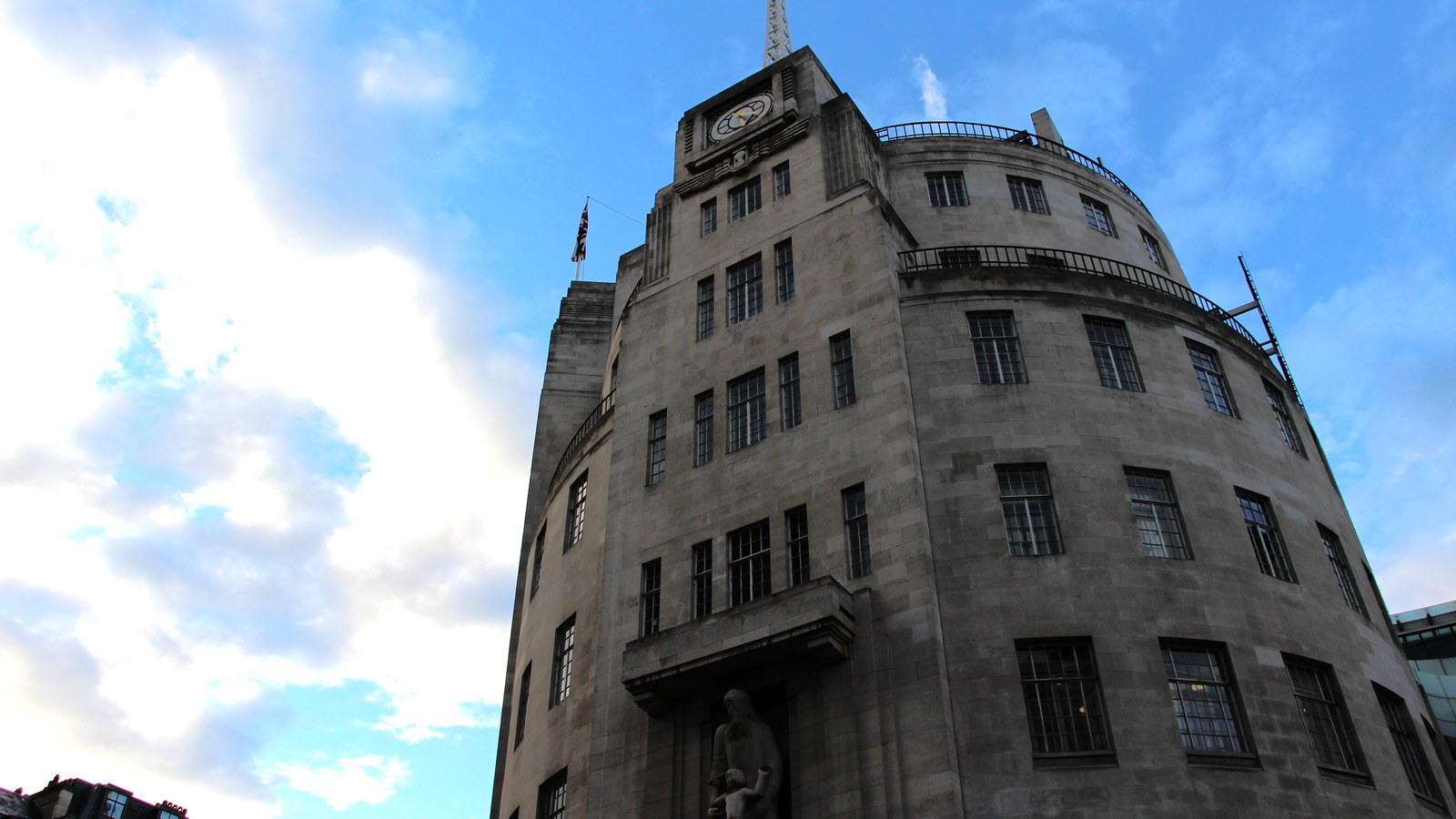
Netflix viewers in the United Kingdom could soon have to pay for the BBC whether they watch it or not. Under plans reported Saturday by The Times, the British newspaper, in a report dated November 28, Culture Secretary Lisa Nandy is expected to announce before Christmas that households using a major streaming service will need a TV licence, the £180 yearly fee, about $235, that funds the BBC.
The fee would come on top of subscriptions to Netflix, Prime Video, Disney+, Discovery+, Paramount+, NOW, which is Sky’s streaming service in the UK, and HBO Max. YouTube, Instagram and TikTok would be exempt, and so would BBC radio and the BBC News website. The change would take effect in 2028 at the earliest, and the report says the £180 fee itself would not be cut to make the plan easier to sell.
For American readers, the TV licence takes some explaining, because the United States has nothing quite like it. Britain pays for the BBC mainly through this yearly household fee instead of advertising, and BBC channels in the UK carry no commercials. Today, a British household needs a licence to watch or record live television on any channel, not just the BBC, or to use BBC iPlayer, the broadcaster’s own streaming service. A household that only watches on-demand services such as Netflix needs no licence at all. That gap is exactly what the plan would close.
The reason behind it is money. The licence fee brought the BBC more than £3.8 billion last year, but the number of households paying keeps falling as viewing shifts to streaming. About 80 percent of UK households pay today, and a forecast cited in the report puts that at just 40 percent by 2038. Ministers argue the overhaul, described as the biggest change to the licence fee in 80 years, is the only way to keep the BBC financially secure, and a government source told the newspaper the broadcaster faces decline either way if nothing is done.
The report spread quickly online Saturday, as film and TV accounts passed around the list of services that would be covered.
The reaction has been swift. Rebecca Paul, the Conservative Party’s shadow culture secretary, accused the government of taking the easy and unpopular route by extending the fee to people using services that have nothing to do with the BBC. Streaming executives have warned that a new yearly bill could push viewers to cancel subscriptions and lead companies to scale back production in the UK. Because most of the services on the list are American, the plan has also drawn criticism from the United States. Sarah Elliott, a spokesperson for Republican Overseas UK, which represents Americans in Britain who support the Republican Party, said the BBC is “riding on the backs of the successful American private companies” and should come up with better content if it wants to compete.
Nothing changes for viewers yet. The plan is part of the government’s charter review, its once-a-decade look at how the BBC is run and funded, and the current charter runs through the end of 2027. Nandy has ruled out two bigger ideas, adding a charge to every household bill and turning the BBC into a subscription service. Asked about the report, the Department for Digital, Culture, Media and Sport said that through the charter review it is “looking at a range of options, including how the licence fee could be reformed, but no final decisions have been made.”